

Rain is nature’s gift to our gardens, providing essential nourishment and fostering vibrant growth. As droplets cascade from the sky, they replenish the soil, hydrate thirsty plants, and create a thriving ecosystem teeming with life. In this blog, we’ll explore the myriad ways in which rain benefits your garden, from promoting healthy plant growth to enhancing soil fertility, and offer tips on how to make the most of this precious resource.
- Hydration and Nourishment: Rainwater is a pure and natural source of hydration for your garden, replenishing soil moisture levels and quenching the thirst of plants. Unlike tap water, which may contain additives like chlorine or fluoride, rainwater is free from chemicals and pollutants, making it an ideal choice for irrigation.
- Deep Root Watering: Rainwater penetrates deep into the soil, encouraging plants to develop strong and resilient root systems. This deep watering promotes drought tolerance and reduces the need for frequent irrigation.
- Nutrient Delivery: Rainwater carries essential nutrients from the atmosphere and deposits them into the soil, enriching its fertility and providing plants with the elements they need to thrive. These nutrients include nitrogen, phosphorus, potassium, and trace minerals essential for plant growth and development.
- Soil Health and Structure: Rain plays a vital role in maintaining soil health and structure, facilitating processes that are essential for a thriving garden ecosystem.
- Soil Aeration: Raindrops falling on the soil create tiny air pockets, improving soil aeration and promoting the exchange of gases between the soil and the atmosphere. This increased oxygenation benefits soil microorganisms, earthworms, and other beneficial organisms essential for nutrient cycling and soil fertility.
- Erosion Prevention: Rainwater helps to bind soil particles together, reducing the risk of erosion caused by wind or water runoff. By preventing soil erosion, rain protects the integrity of your garden beds and preserves valuable topsoil, ensuring optimal growing conditions for your plants.
- Pest and Disease Control: Rain can help to naturally control pests and diseases in your garden, reducing the need for chemical interventions and promoting a healthy, balanced ecosystem.
- Washing Away Pests: Rainwater can dislodge pests such as aphids, spider mites, and whiteflies from plant leaves, reducing their populations and limiting damage to your garden.
- Diluting Pathogens: Rainwater dilutes and washes away pathogens that can cause plant diseases, such as fungal spores and bacterial pathogens. By reducing the concentration of these pathogens in the soil and on plant surfaces, rain helps to prevent the spread of disease and maintain plant health.
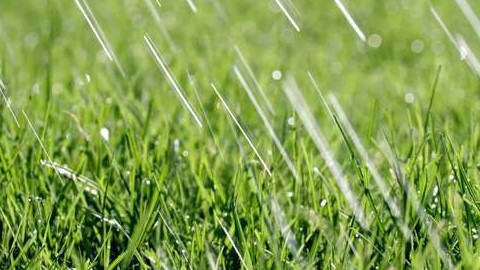
Conclusion: Rain is a precious resource that sustains life in our gardens, providing essential hydration, nourishment, and support for healthy plant growth. By harnessing the power of rainwater and integrating it into your gardening practices, you can create a thriving ecosystem teeming with vitality and abundance. So let the rain fall, and watch as your garden flourishes in response to nature’s gentle touch.